
Empowered Life
Challenges
Most waste workers in Indonesia still live and work in poor conditions. Many of them do not have complete identity documents or adequate basic skills to improve their livelihoods. The lack of identity documents makes it difficult for them to access important public services such as health insurance, social protection, banking services, and government assistance programs.
On the other hand, limited basic literacy, financial literacy, and occupational safety knowledge also limit their opportunities to increase their income or switch to more stable sources of livelihood. These conditions keep workers and their families trapped in a cycle of economic vulnerability that is difficult to break.
Seeing this situation, Mahija strives to provide relevant and gradual support to help waste pickers and their families build a safer, more recognized, and sustainable livelihood.
Our Solutions
Mahija supports informal workers through:
Community-Based Productive Activities

Promoting additional livelihoods through productive activities managed jointly by the community, such as handicrafts, maggot farming, and hydroponics.
Support Needs
Basic & Food
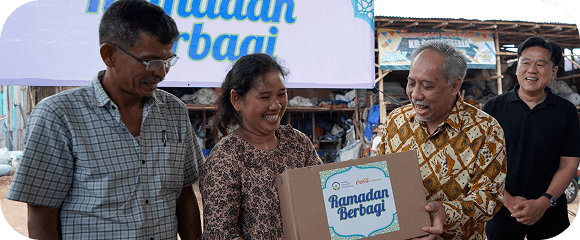
Distributing basic necessities and food aid through the Ramadan program as a form of support for the resilience of waste worker families.
Identity Access &
Administrative Assistance

Assistance in processing residency documents so that waste workers gain legal recognition, access to public services, and more decent economic opportunities.
Health Training &
Workplace Safety

Providing safer working practices and understanding to reduce the risk of accidents and long-term health impacts in informal work environments.