
About the Program
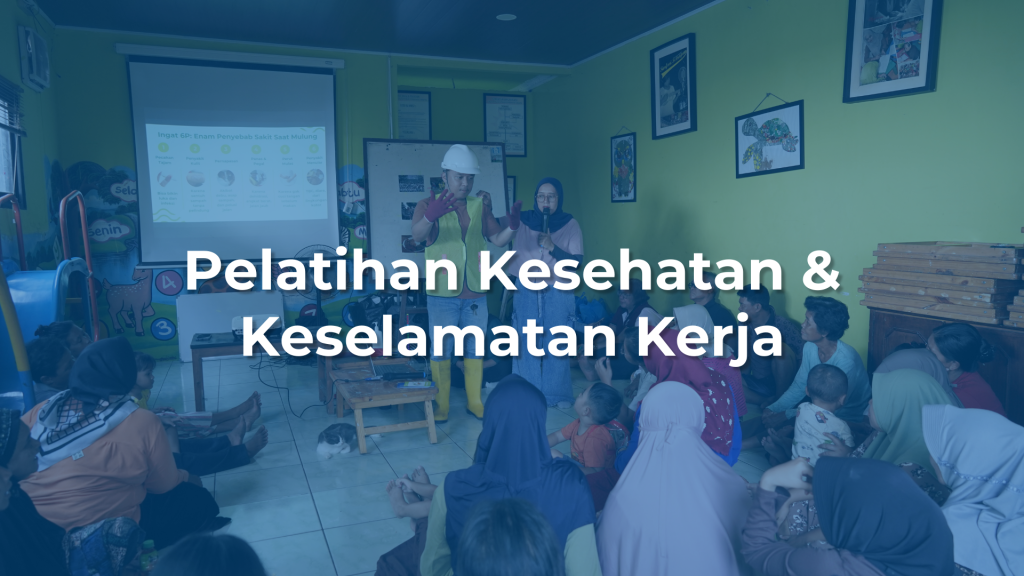
As part of its commitment to the Responsible Sourcing Initiative (RSI), Mahija continues to promote fair, safe, and responsible waste management practices. One of the initiatives undertaken is the provision of specialized occupational health and safety training for waste workers, including waste pickers.
In the plastic recycling system, waste workers are on the front lines, collecting and sorting recyclable materials. In practice, however, many of them still work with limited health and safety protections.
Through this training, Mahija equips participants with practical knowledge that can be immediately applied in the field, including:
- Safe waste management practices to prevent skin diseases and infections
- The importance of using personal protective equipment such as gloves and closed-toe shoes
- Education on personal hygiene and workplace hygiene
- Preventing the spread of disease from contact with household or medical waste
More than just training, this program is our way of ensuring that waste workers can participate in an increasingly organized recycling system with better protections.
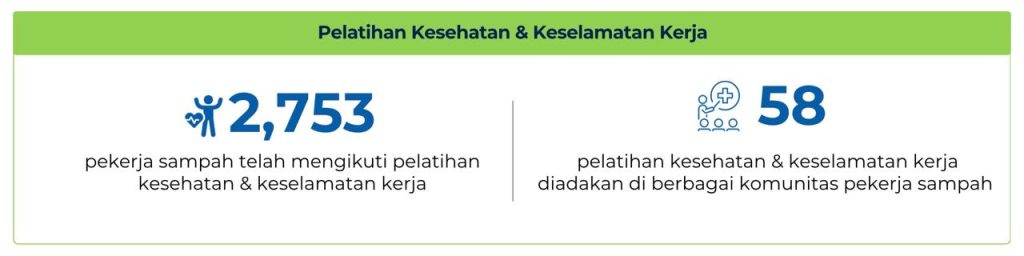
Program Achievements
Impact Stories
Yuyun,
Non-commissioned officer
Recipients of Occupational Health and Safety Training
Ms. Yuyun has long worked as a trash collector in her neighborhood. In her daily work, she faces various challenges, ranging from people’s resistance to her work to safety hazards—such as stepping on a nail. Although she tries to protect herself with a mask, gloves, boots, and long-sleeved clothing, working in the field still poses many risks to her health and safety.
Through health and safety training provided by Mahija and support from the Responsible Sourcing Initiative (RSI) Indonesia program, Ms. Yuyun began to gain new knowledge and confidence. She has come to better understand how to work more safely, uses personal protective equipment more consistently, and is increasingly mindful of her health while on the job.
Not only that, but through this program, Ms. Yuyun was finally able to obtain assistance in applying for an ID card, an important document she had not previously possessed.
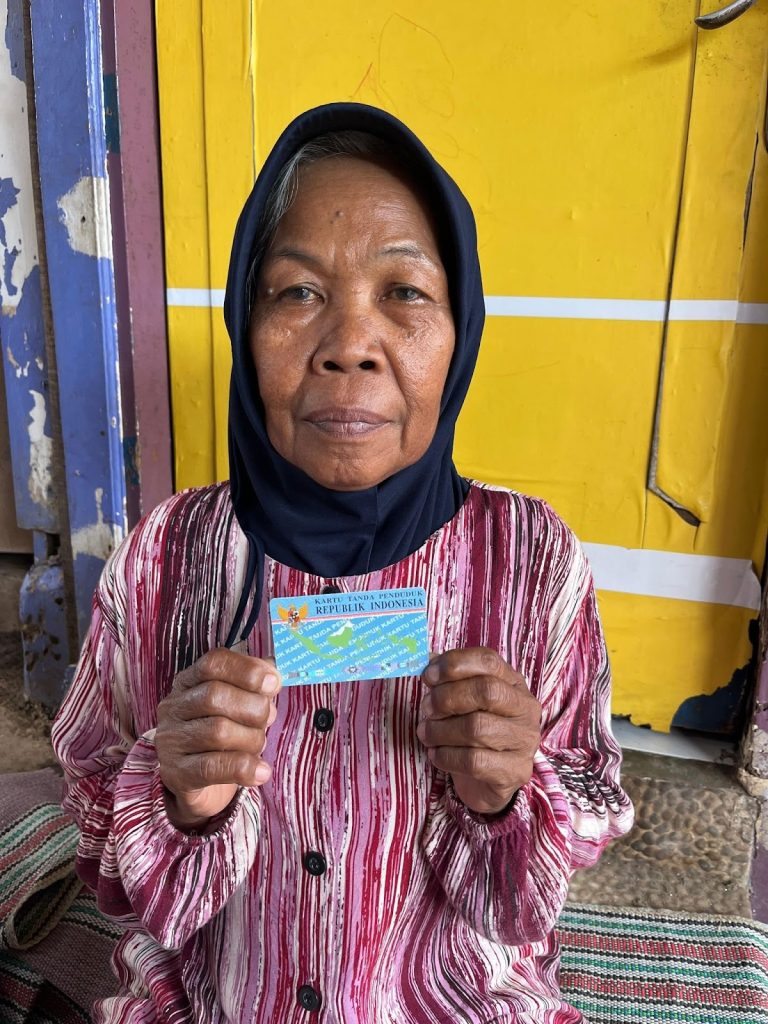
This change also had a broader impact on the community. In 2025, a community association of waste collectors in Bintara was officially formed, and Ms. Yuyun was elected as its chairperson. With support from RSI, she began helping her colleagues access civil registration documents and social assistance, and encouraged them to advocate for their basic rights as citizens.
“I’m so happy to have received support from Mahija through this program. Even in my role as community leader, my community has started to make progress. Residents who previously couldn’t even hold a pencil can now read and write. This gives me confidence that we can become better than we were before.”