
About the Program
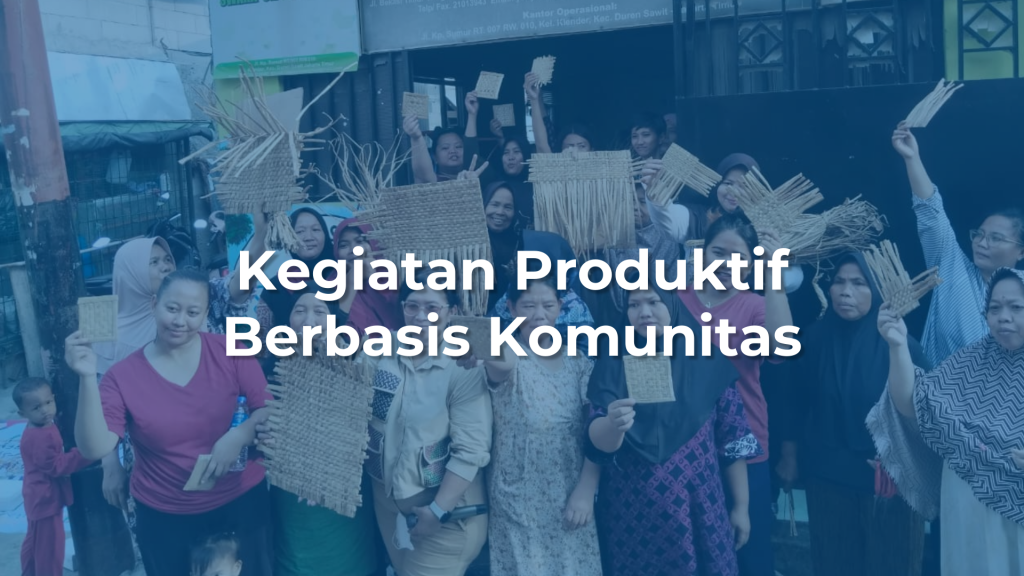
Most informal waste workers or scavengers rely on an unpredictable daily income. To help strengthen their economic resilience, Mahija promotes the creation of additional sources of livelihood through community-based productive activities.
This program provides opportunities for waste pickers and their families to learn new skills beyond waste picking. In addition to increasing income opportunities, this approach also aims to build self-confidence, independence, and long-term livelihood resilience.
In addition to developing economic skills, Mahija also recognizes that strengthening basic skills—such as reading, writing, arithmetic, and financial management—is essential for waste picker communities to develop in a more sustainable manner. For this reason, the program also includes activities aimed at building the capacity of individuals and families.
Some of the activities that have taken place include:
- Water hyacinth crafts to create business opportunities based on weaving skills.
- Maggot farming as an alternative method for managing organic waste and a potential source of additional income.
- Community-scale hydroponics to support household food security.
- A reading, writing, and arithmetic class for children to strengthen their basic literacy and numeracy skills from an early age.
- Literacy classes for adults to help community members who lack adequate reading, writing, and arithmetic skills.
- Financial literacy education to help families of waste collectors better manage their income, save money, and plan for long-term needs.
Through an integrated approach that combines economic skills development with basic capacity building, Mahija strives to ensure that communities not only generate additional income but also have a stronger foundation for independent and sustainable growth.
Program Achievements
Impact Stories
Mrs. Eli
Tanah Tinggi
Recipient of the Empowered Mothers Training Program
Mrs. Eli lives in a small rented room in Tanah Tinggi, Johar Baru. She works as a scavenger, earning about Rp2,000,000 a month, though her income isn’t always steady. This situation often forces her to scrimp and save to cover her daily expenses and pay her rent.
Through the Ibu Berdaya program, Eli took part in a water hyacinth weaving workshop facilitated by Mahija. At first, she found it difficult to master the weaving technique, which requires patience. However, over time, she began to master the skill, and now she is able to sell her woven products to supplement her income.
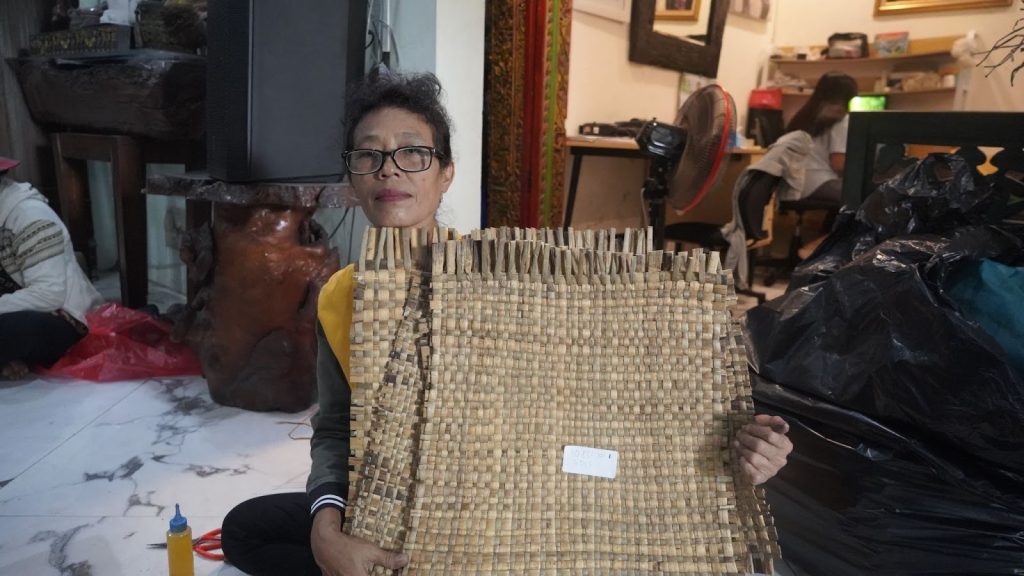
In addition to helping support her family’s finances, this training has also boosted Mrs. Eli’s confidence, as she now has new skills that she can continue to develop.
“Now, the income from weaving helps supplement my earnings and covers my daily expenses as well as my rent. I’ve also become more confident because I’ve acquired a new skill.”
Mrs. Rusmini
Duren Sawit
Recipient of Maggot Farming Training
Previously, Rusmini spent her time collecting scrap to resell. She lived in a small rented room provided by her stall owner, earning about Rp300,000 a month. She usually collected scrap in the afternoons and evenings, so she often had no productive activities in the mornings that could supplement her income.
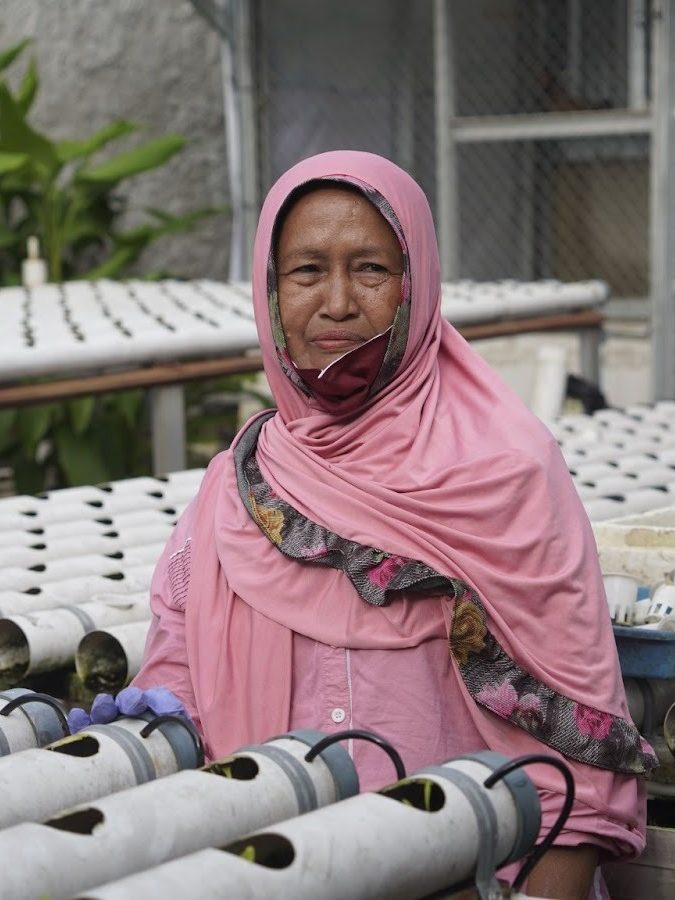
Through Mahija’s maggot farming training, Mrs. Rusmini began using her mornings to manage the maggot farm alongside her fellow members of the farmers’ group (Poktan). In addition to maggots, they also raised fish and chickens as part of these activities.
Now, these activities make her feel more productive while also opening up opportunities to increase her income. For Rusmini, this experience has also given her the chance to learn and grow alongside the community.
“Now I spend my mornings raising maggots with my friends. I’ve become more productive, gained new skills, and have an extra source of income to cover my daily expenses.”