
As a vital part of the waste management system, waste pickers play a daily role in collecting and sorting recyclable waste. However, despite this significant contribution, fostering the economic resilience of waste pickers remains a challenge that requires a collective effort to address.
Scavengers play a major role in maintaining the balance of the plastic recycling supply chain, but many of them still live below the poverty line and struggle to meet their daily needs. In peri-urban areas such as Greater Jakarta, scavengers make a tangible contribution to the supply of recycled raw materials.
Every day, they work tirelessly to collect plastic waste that can still be reused. With the proceeds from their collection efforts, they strive to provide for their families and make ends meet. This situation inspired Mahija to come up with a practical solution for waste pickers.
One of the initiatives undertaken is the development of a system designed to help build the economic resilience of waste pickers through a community-based approach. One of the steps taken is the implementation of the Village Savings and Loan Association (VSLA) program. This program aims to enhance financial resilience while also opening up access to socioeconomic inclusion for waste-picking communities in peri-urban areas.
Here is more information about Mahija’s partnership with Care Indonesia (YCP) to establish this VSLA.
What Is a VSLA and What Role Does Mahija Play in This Movement?
As part of its efforts to build the economic resilience of waste pickers, Mahija has partnered with the Care Indonesia Foundation (YCP) to help improve the financial capabilities and strengthen the socioeconomic growth of waste pickers. This collaboration takes the form of a community savings system known as VSLA.
A VSLA is an association directly managed by community members, including waste pickers, to independently administer a savings and loan system. This system emphasizes peer accountability and the collective management of funds within the group.
Through this system, group members can save regularly and also have access to loans from a shared fund. The VSLA approach is designed to be more flexible and accessible to people who have traditionally had difficulty accessing formal financial services such as banks or credit institutions.
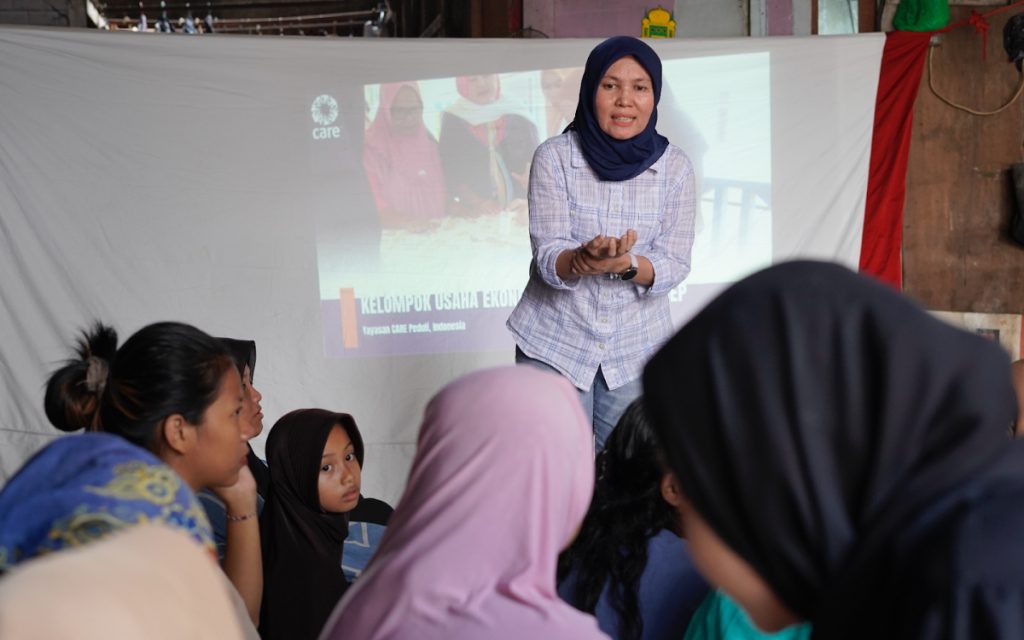
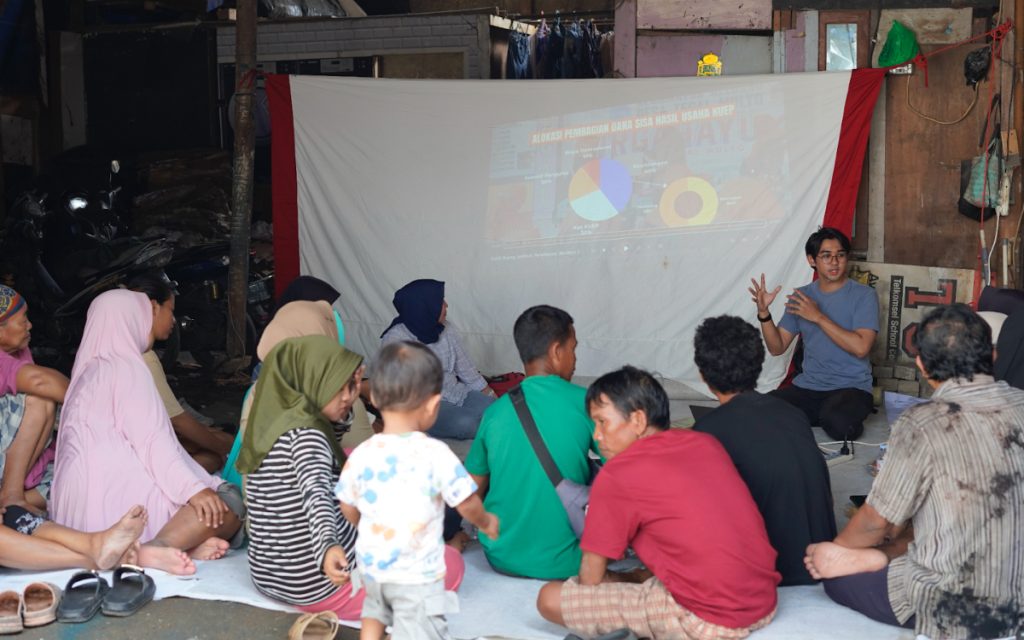
In implementing the VSLA program, Mahija plays a key role in managing community mapping, providing guidance on group formation, and offering financial literacy and entrepreneurship training.
Through this program, many women who are members of waste-picking families have begun to actively participate in community economic activities. They learn about managing communal savings, managing household finances, and opportunities for microbusiness development.
This initiative, carried out in collaboration with Mahija and YCP, also provides opportunities for women from the waste-picking community to participate in more productive economic activities. As a result, the VSLA program not only helps build the economic resilience of waste pickers but also promotes the empowerment of women within that community.
What are Mahija’s goals and achievements in this VSLA program?
The VSLA program implemented by Mahija in collaboration with YCP has achieved several tangible results since its inception. One of the program’s primary goals is to establish community savings groups that can be managed independently by the members.
To date, the VSLA program has successfully established approximately 10 community savings groups, involving roughly 200 waste pickers in various training activities. Participants receive training based on YCP Indonesia’s master workplan to ensure that every stage of program implementation is carried out in a structured and high-quality manner and can be monitored on an ongoing basis.
As the program has progressed, positive developments have begun to emerge in several collection centers supported by Mahija. This serves as evidence that a community-based approach can be a real solution for building the economic resilience of waste pickers.
Group members have begun to get used to using the savings and loan system regularly and consistently. Each group has a different savings plan based on mutual agreement, both in terms of the amount saved and the frequency of deposits.
Some examples of VSLA groups that have already been formed include:
- Tanah Baru, with 14 members who make principal savings contributions every two weeks.
- Jurang Mangu, with 7 active members who make daily savings contributions.
- Cimone, with 11 members who commit to saving every month, with a base savings amount of Rp700,000.
In total, there are approximately 32 waste pickers from various communities supported by Mahija and collection centers who have committed to participating in the VSLA savings program.
This step serves as a crucial foundation for the community’s gradual economic growth. Through this program, waste workers are beginning to build confidence in managing their finances and strengthening their collective economic solidarity.
Conclusion
Since this program is an initiative aimed at fostering community growth and development to build economic resilience among waste pickers, Mahija hopes that in the future, VSLA can become a significant part of a more organized and sustainable economic ecosystem for them.
A microeconomic initiative aimed at the future of VSLA members—most of whom are waste pickers who spend their days collecting used plastic waste—to enable them to participate in the circular economy and improve their standard of living.