In June 2025, Mahija held awareness programs in two different regions as part of its efforts to make a real impact on waste pickers. The program aimed to raise awareness and understanding among waste workers about better waste management, while strengthening the role of waste banks in supporting the circular economy.
Through outreach activities conducted at several collection centers in the Bogor and Tangerang areas, Mahija hopes to encourage an increase in the collection of used plastic waste, especially PET bottles. This collection target is expected to not only increase the volume of waste entering the recycling stream, but also provide tangible results for them through better income compared to before.
The following is information related to Mahija's outreach program at two collection centers in June 2025.
Collaboration with Bank Sampah Barokah Bogor City
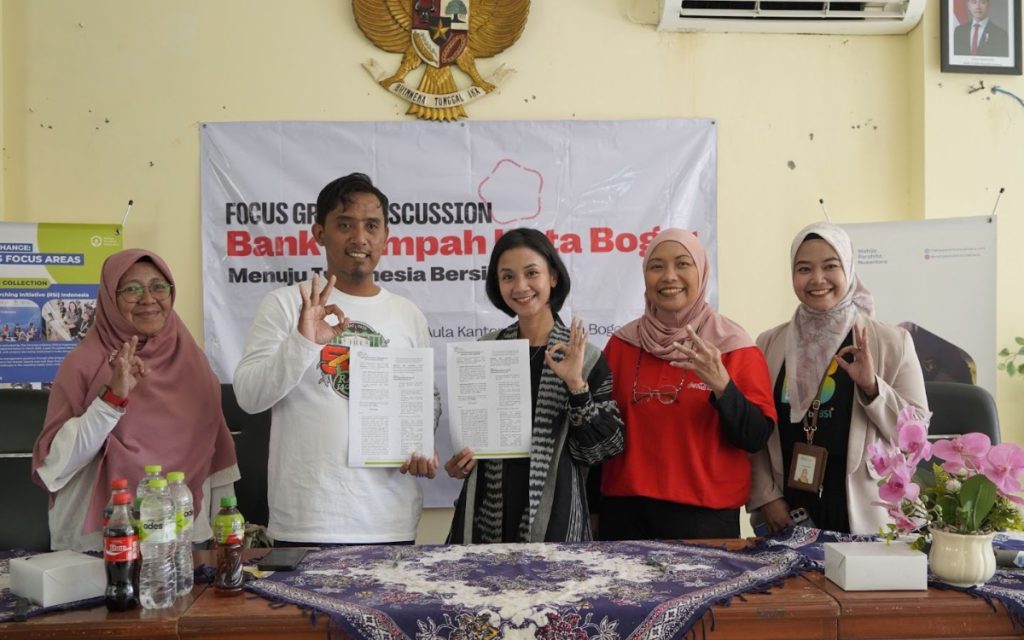
The first socialization program was conducted in Bogor City, specifically with Bank Sampah Barokah, which is under the auspices of the Indonesian Waste Bank Association (ASOBSI) DPD Bogor City.
On this occasion, Mahija held an information session attended by waste workers and ASOBSI DPD Bogor City administrators. This meeting served as a forum for discussion to discuss joint strategies to strengthen the economy of scavengers in the region.
The main focus of this collaboration is to encourage the collection of PET plastic bottles, which have high selling value, while strengthening circular economy practices at the community level. With more targeted waste management, it is hoped that there will be a real impact on waste pickers through an increase in the economic value of the waste they collect.
During this event, the Chair of the Mahija Parahita Nusantara Foundation Board of Trustees, Ardhina Zaiza, participated in discussions with ASOBSI DPD Bogor City administrators. The discussions covered various challenges faced by waste bank managers, ranging from collection systems to efforts to strengthen a more independent and sustainable work ecosystem.
In addition, Mahija also provides support in the form of strategic plans to strengthen the waste collection system so that it is more effective and has a greater impact on the waste worker community.
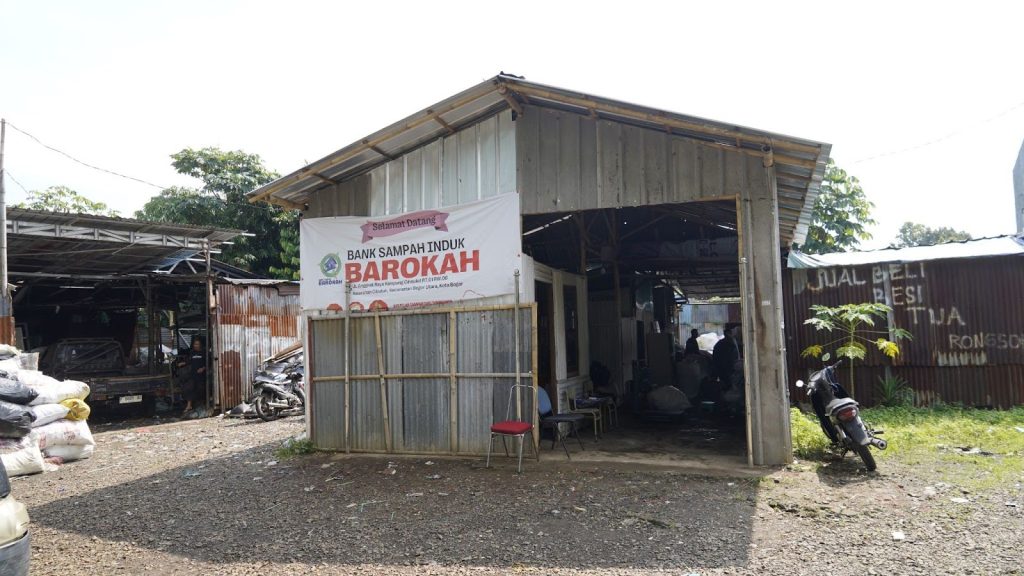
This moment also marked Mahija's first opportunity to collect post-consumer PET bottles from the Barokah Waste Bank. In this initial stage, a total of around 400 kilograms of plastic bottles were collected.
Ardhina explained the real impact program for waste pickers in the Barokah Waste Bank area, "Going forward, we will continue to collect PET bottles along with colored bottles, labels, and plastic bags. This step is part of Mahija's commitment to promoting the responsible procurement of post-consumer PET bottles, as well as an effort to improve the welfare of waste workers in the recycling supply chain."
Through this approach, the outreach program not only focuses on improving the circular economy in the Bogor area, but also strengthens the sustainability of waste bank management and empowers scavengers in the plastic recycling supply chain.
Socialization in Fishing Villages in the Coastal Area of Tangerang
In addition to Bogor, Mahija also conducted outreach activities in the coastal area of Tangerang, specifically in Pakishaji Village. This program was organized at the request of a student from a university in Tangerang who wanted to make a real impact on scavengers and the community in the area.
In this activity, Mahija collaborated with one of the collection centers, Berkah Mitra Perdana Sukses, to educate residents on the importance of sorting waste at home and understanding the economic value of recyclable PET plastic bottles.
Through simple and easy-to-understand explanations, Mahija encourages the community to start developing the habit of sorting plastic waste, especially PET bottles, before depositing it at the waste bank.
Residents were also introduced to a waste savings system, a mechanism whereby the weight of waste is recorded in a savings book. This concept helps the community see firsthand the economic benefits of sorting and collecting plastic waste.
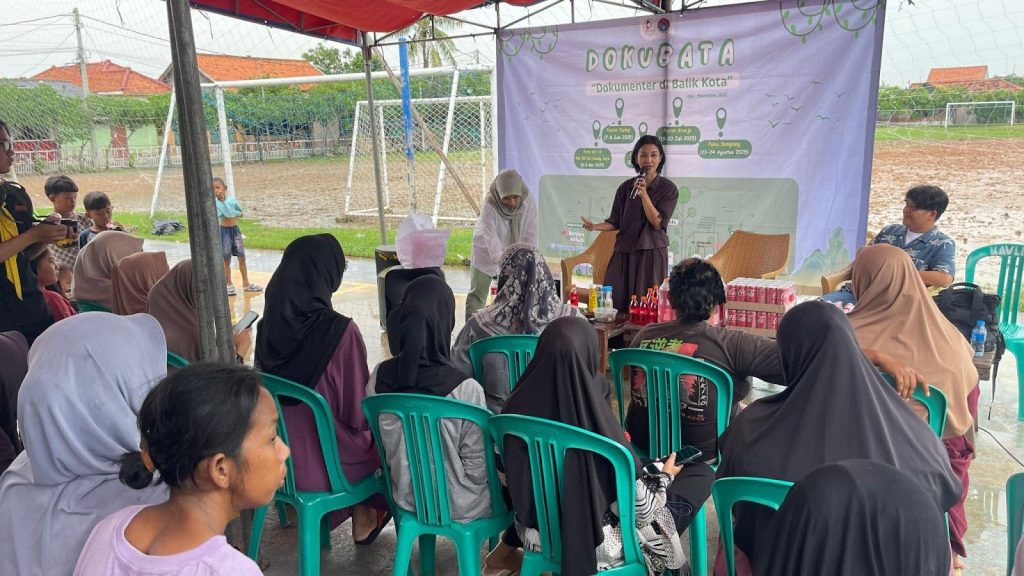
This program specifically involves housewives and scavengers in the area. They are taught how to record the results of waste weighing in their savings books in an orderly and regular manner.
With this recording system, it is hoped that there will be an increase in the collection of PET bottles and other recyclable plastics. This is expected to have a real impact on waste collectors by increasing their income from the distribution of used plastic waste that they have successfully collected.
In addition to educational sessions for mothers, this outreach activity also involved children from waste worker families through the Mahija Mobile School program.
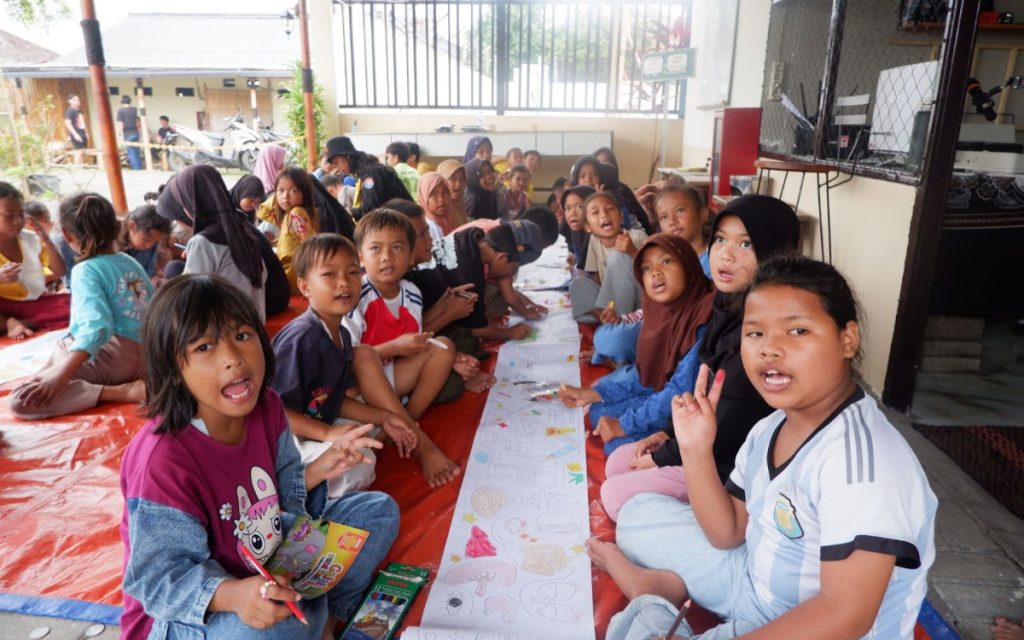
Through this program, children living in the surrounding area are invited to participate in various learning activities while playing, such as counting, drawing, and coloring. These activities take place alongside waste management education sessions attended by their parents.
For many children of waste pickers, this activity is a fun and entertaining experience. They can learn in a relaxed atmosphere while receiving attention and support from volunteers.
For Mahija, these children are also an important reason why various community empowerment programs continue to be carried out. Through a comprehensive approach, Mahija strives to bring about real impact for waste pickers and their families, both through waste management education and economic welfare improvement.
Conclusion
This outreach activity is not just a one-time program, but part of Mahija's long-term movement to create a real impact for waste pickers. With targeted public education, Mahija hopes that more and more people will become aware, care, and participate in building a fair and sustainable recycling ecosystem.