
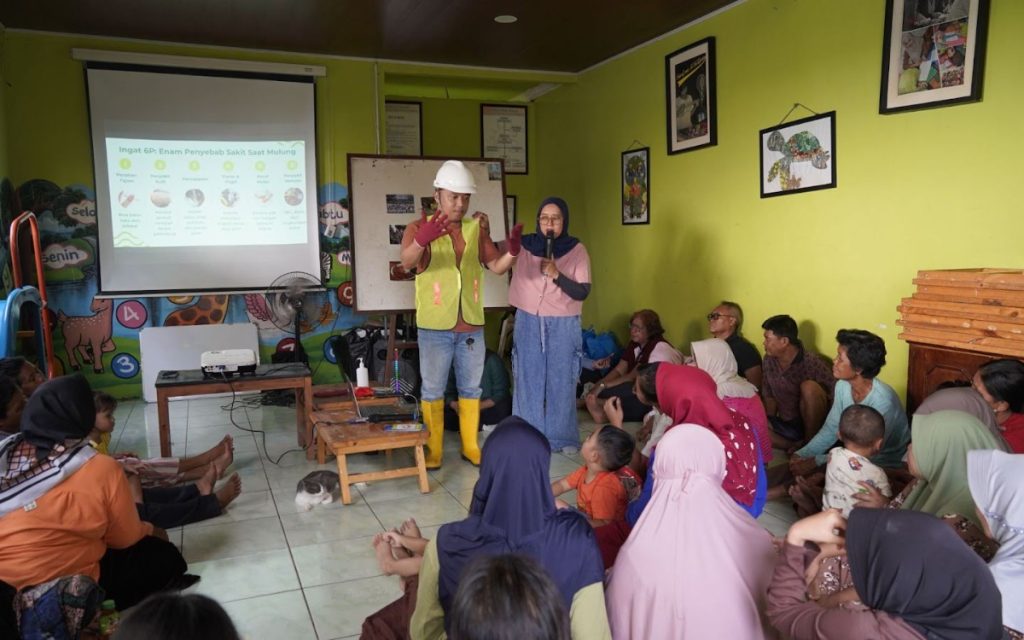
The Mahija Parahita Nusantara Foundation (Mahija) is an organization established by Coca-Cola Euro Pacific and Dynapack Asia to improve the living standards of waste workers who collect recyclable PET bottles. Mahija has conducted health and safety training for waste pickers to assist them in their daily work of collecting plastic bottles.
Many waste workers are still marginalized in terms of their status, and this has a significant impact on their awareness of hygiene and public health. They are vulnerable to skin diseases and other infectious diseases because of their work with waste.
Here is some information about Mahija’s concrete actions to improve the health and safety of waste workers as they carry out their vital roles in the recycling supply chain.
Mahija’s Role in Implementing the Responsible Sourcing Initiative
In line with Mahija Parahita Nusantara’s vision and mission to empower waste workers, Mahija has served as the lead implementing partner for the Responsibility Sourcing Initiative (RSI), a project initiated by The Circulate Initiative (TCI)—a global nonprofit organization addressing issues related to waste management and recycling in response to marine pollution.
Mahija sees the main issue facing waste workers—who have long been neglected and overlooked—as a lack of understanding regarding health and safety protocols. Yet they play a vital role in protecting the Earth from pollution caused by inorganic waste such as bottles and plastic. They work selflessly to make a living, and in doing so, they directly contribute to preserving the environment.
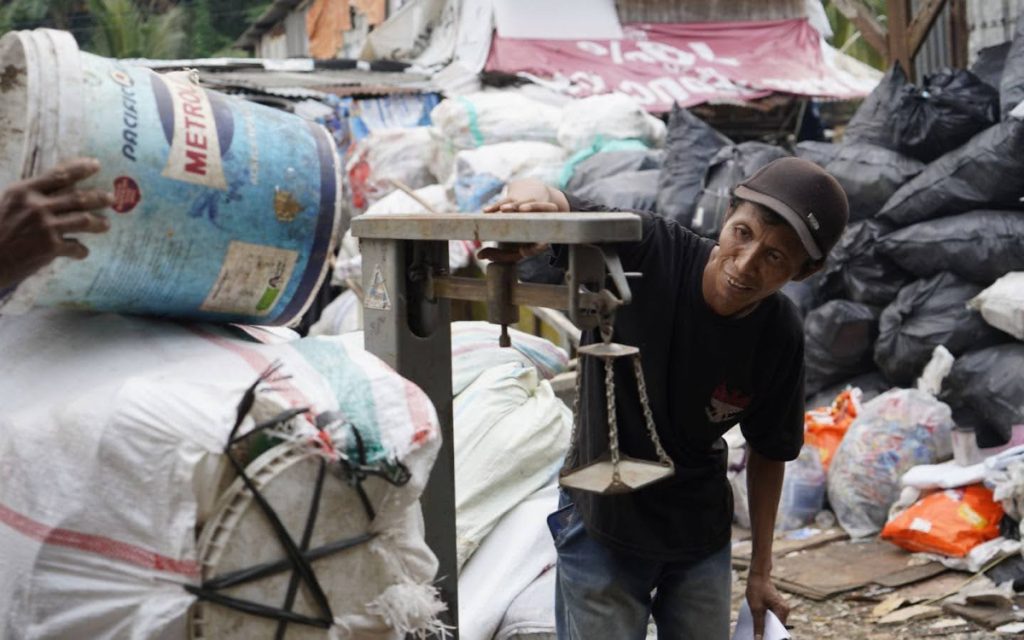
This RSI program is implemented by involving various stakeholders in the recycling sector—from upstream to downstream, such as waste pickers and manufacturers—to begin operating under a fair and responsible system. Health and safety protocols for waste pickers also serve as a benchmark for this program as part of a global goal: to promote well-being through ethical working practices and to prioritize the rights of waste workers.
The RSI program was launched in October 2024 when Mahija initiated a priority program focused on establishing work protocols for waste management workers to ensure compliance with the hygiene and safety standards already in place at the five collection centers. This initiative was also carried out in collaboration with Mahija’s recycling partner, Amandina Bumi Nusantara, which serves as a collector of recyclable bottles.
What does the health and safety training for waste pickers entail?
Implementation of Health and Safety Training for Waste Pickers in the Target Area
Since June 2025, Mahija has been running a health and safety training program for waste pickers, which has played a significant role in maintaining hygiene during the process of sorting recyclable waste.
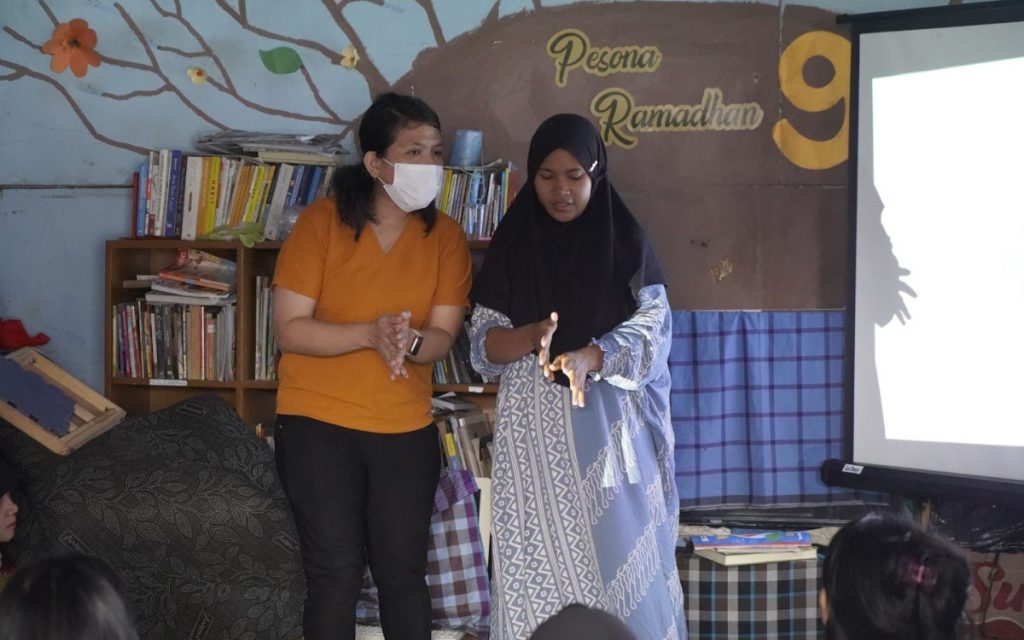
This program has been implemented at 18 collection centers and has reached at least 710 waste management workers, who have received training and guidance on hygiene standards for their daily waste sorting activities to prevent potential health risks such as skin and respiratory diseases.
During the outreach sessions at several Collection Centers, medical experts from local community health centers were also invited to demonstrate the steps involved in putting on protective gear for waste management workers. In addition, there were several other training sessions on this topic, including:
- Safe waste management practices to prevent skin diseases or infections
- The importance of using protective gear such as gloves and closed-toe shoes
- Education on personal hygiene and workplace safety, including the prevention of disease transmission resulting from direct contact with household and medical waste
In addition to discussing occupational health and safety, waste management workers are also taught a variety of other topics related to long-term well-being, such as personal safety, financial management, and planning for their children’s future, as part of efforts to promote a more dignified livelihood.
Waste management workers deserve special consideration from those around them because of the vital role they play in preserving our environment. Launching a priority program for them focused on hygiene protocols is one of the ways Mahija is helping waste management workers maintain their health and safety as they carry out their daily duties.
Conclusion
That concludes our discussion on the importance of health and safety training for waste pickers and a brief overview of the programs run by CCEP and the Mahija Foundation to improve their well-being. At the very least, programs that support these environmental conservation workers are worth implementing, as workplace safety must be balanced with a well-organized, protected, and sustainable environment.