
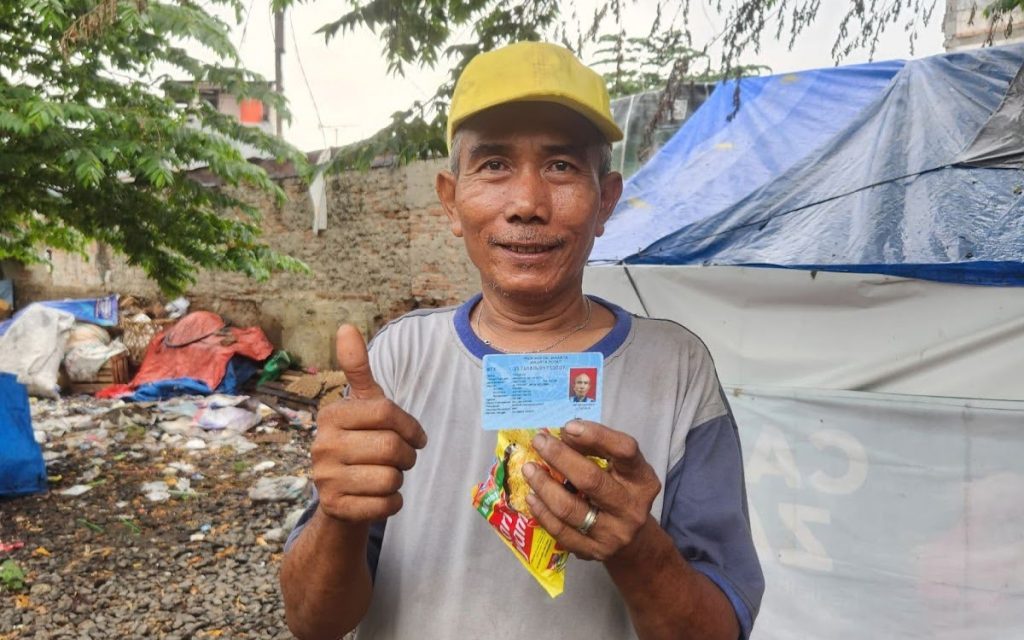
The quality of life for waste pickers—or recycling warriors—often falls far below the average standard of living in society. Waste pickers play a vital role in the waste recycling ecosystem. A more dignified life is the hope for the future of waste workers.
The Mahija Parahita Nusantara Foundation (Mahija), as a leading organization in the empowerment of waste pickers, has a vision to improve their well-being through various programs. Mahija is committed to ensuring a decent life for waste pickers by focusing on improving their quality of life through initiatives in the areas of welfare, the economy, and education.
To help realize the future aspirations of recycling workers, Mahija also participates in programs aimed at improving their quality of life—such as ensuring equitable access to official identification for those who do not yet have an ID card and providing educational opportunities through scholarship programs for the children of waste pickers.
Here is a complete overview of Mahija’s initiatives to improve the future of waste pickers.
Registration of ID Cards for Garbage Workers at Several Locations in Jakarta
It turns out that many waste collectors in the Jakarta area still do not have an ID card or other official identification as Indonesian citizens. Due to limited access to the central office during the application process, they have resigned themselves to not having an ID card.
Most waste workers also come from disadvantaged backgrounds, and some have migrated from outside Java, so they lack the necessary supporting documents. As a result, they lack access to identification documents such as ID cards, family registration cards, adult birth certificates, children’s birth certificates, and others.
Mahija has addressed the issue of limited access to official identification documents for many waste pickers in various areas of Jakarta City, thereby beginning to resolve the issue of uneven distribution of population data for these recycling workers.
From January to June 2025, Mahija has assisted in the process of issuing official identification cards to several recycling workers and has collaborated with the DKI Jakarta Provincial Population and Civil Registration Office, as detailed below:
- 250 ID cards for recycling workers
- 84 for the Family Card
- 52 for an Adult Birth Certificate
- 143 for a Child's Birth Certificate
- 133 for BPJS/KIS
Some of the benefits of issuing official identification cards for recycling workers include:
- The official registration of the identity of recycling workers
- It is easy to access healthcare facilities provided by local governments
- It's easy to sign up for social assistance
- There is a great opportunity for the children of waste pickers to receive a proper education
- Growing hope among waste workers for a more equitable standard of living and official Indonesian citizenship
One resident of the Pondok Labu Scavenger Village, Wita Sumita, said, “We’re so grateful to the Mahija team for helping us get our ID cards. They’ve assisted the residents here with everything from data collection to helping us get any missing documents sorted out until our ID cards were ready. There was a time when social assistance was distributed, but some residents of the Pondok Labu Scavenger Village here couldn’t receive it because they didn’t have ID cards at the time.”
Ms. Wita’s explanation serves as a sign that Mahija has succeeded in offering hope for the future of waste pickers in several areas of Jakarta, particularly for those who live without security and are often overlooked by many. Thus, the assistance provided to waste pickers clearly helps them—even if it’s just help with registering for an ID card, the impact is truly remarkable.
Scholarship Program for Children of Garbage Collectors
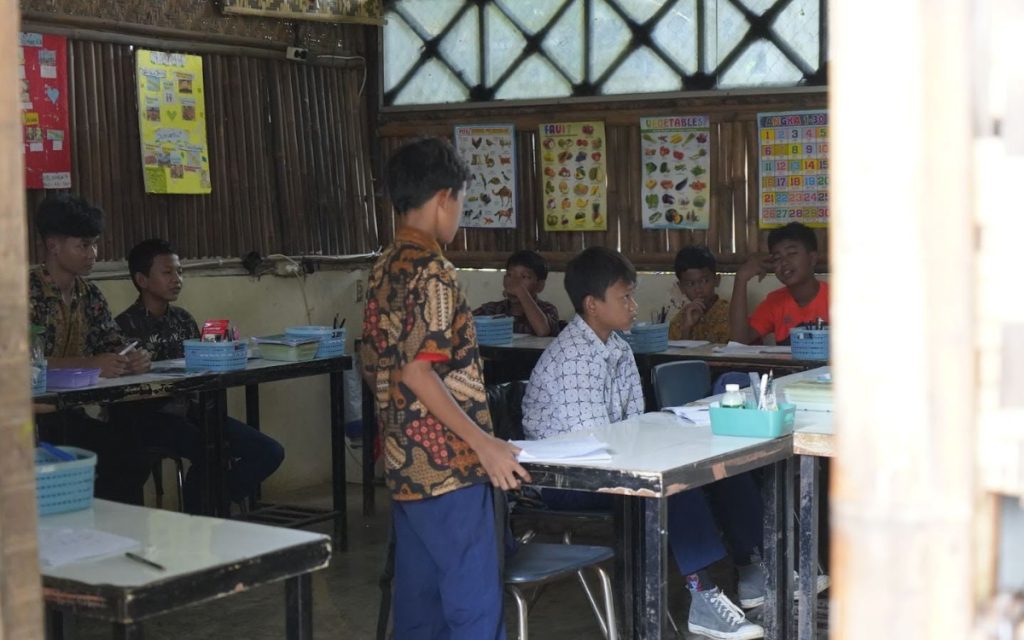
Access to education is a critical issue for the general public. Due to limited access to educational resources, the children of waste collectors are often unable to meet their basic school needs. School uniforms, textbooks, and school supplies are items that they frequently cannot afford on a regular basis.
In mid-2025, Mahija, as part of its efforts to support the empowerment of waste workers, contributed by providing scholarships to 65 children of waste pickers in the Jakarta area, who received this educational assistance.
Mahija has been proactive in addressing the educational needs of waste workers; moreover, this program has helped the children of waste pickers earn pocket money for their daily needs and cover their basic school expenses.
These scholarships are awarded to several children of waste collectors who are currently enrolled in school, based on their status as active students and their track record of academic achievement.
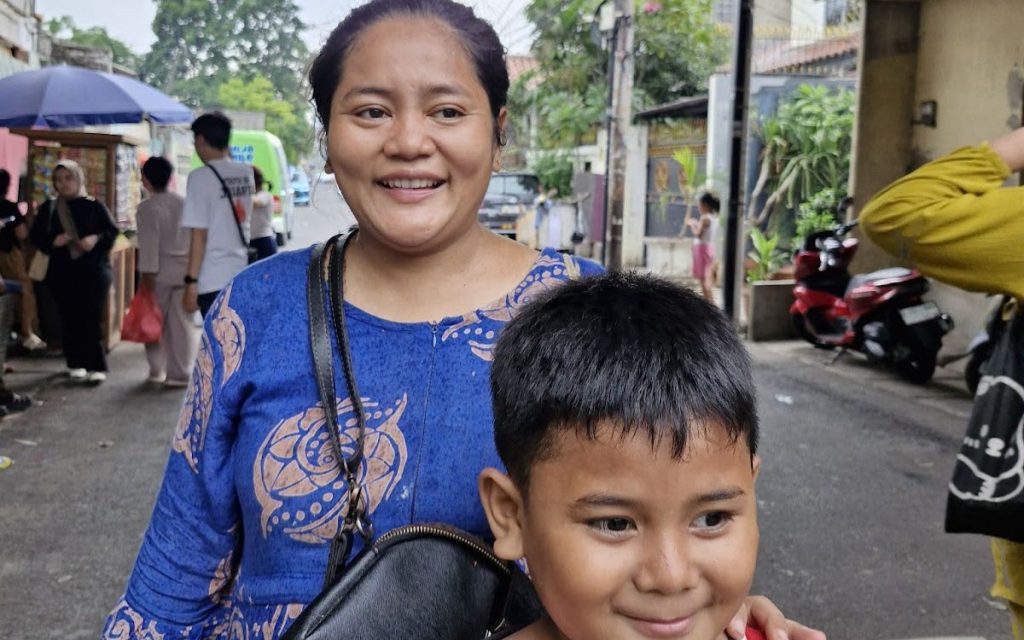
A waste picker named Ibu Sri Wahyuni and her son, Syadan, said that Mahija’s program has been a great help in meeting their son’s school needs. “This program has been a great help to me. After receiving the scholarship yesterday, I was finally able to buy my son a school uniform, shoes, and textbooks. I hope Mahija continues to thrive and that this program keeps going to help people like us.”
Nevertheless, this scholarship program reflects the hopes of waste management workers who wish to raise their children with a better educational background, in the hope that their children’s futures will be brighter.
Conclusion
In addition to helping waste workers obtain official identification documents and providing their families with access to education, Mahija will continue to advocate for and take concrete steps toward social protection and economic empowerment for waste workers as part of realizing their hopes for the future. Because for Mahija, caring for the earth also means valuing its workers.