Addressing waste management issues requires not only adequate infrastructure but also public awareness of the importance of comprehensive waste management, which includes an understanding of the waste handling process and the role of waste pickers as a vital part of the recycling chain. Therefore, educating the public about PET bottle recycling was the main focus of Mahija’s activities on this occasion.
Based on this belief, Mahija continues to develop the KOLASTIK (Plastic Recycling Collaboration) program as an educational pillar to encourage more people to get involved in managing plastic bottle waste, particularly PET. The principle behind this program is simple: the more people who participate, the greater our chances of addressing waste challenges in a sustainable manner.
From late last year through early this year, Mahija began expanding the implementation of KOLASTIK to the Tangerang area. Its primary focus is on optimizing the role of local communities so they can collaborate to recycle their plastic bottles in a more responsible and sustainable manner. A community-based approach was chosen because it is considered the most effective way to encourage changes in everyday behavior.
This article will explain Mahija’s role in a program called KOLASTIK and its implementation in the Tangerang area. Read on for more information.
What is KOLASTIK and what does it do?
Kolastik, or the Plastic Recycling Collaboration, is a series of programs developed by Mahija to launch a movement focused on recyclable waste—such as PET bottles and other items—with young people and people from all walks of life as the primary target audience.
Through this initiative, Mahija aims to raise public awareness of waste management issues in Indonesia. The educational programs not only address waste management issues in general but also explain the entire waste management process—from source to disposal—as well as the significant opportunities in recycling.
A clean and healthy environment is something we must all work together to preserve. When communities manage waste effectively, environmental health and safety improve. Conversely, if waste management issues are not addressed, they can lead to environmental problems such as water and air pollution, deteriorating health, and a decline in the quality of human resources.
Therefore, the KOLASTIK movement was launched as an effort to promote environmental awareness, particularly regarding plastic waste management. This program encourages the public to move from education to taking action to recycle PET bottles, so that the awareness gained does not stop at knowledge alone, but is also put into practice through concrete actions.
In addition, the community also needs a safe space to discuss and coordinate waste management efforts. Through organized communities, information about sanitation and waste management practices can be communicated more effectively, while also helping to reduce bad habits such as littering.
KOLASTIK Educational Activities in Tangerang
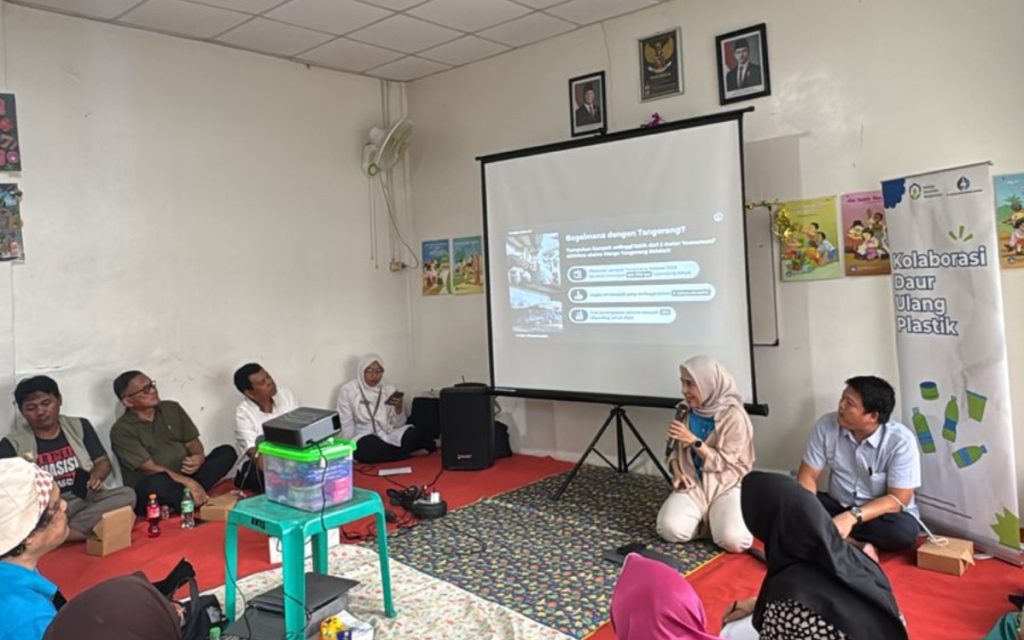
The KOLASTIK program in Tangerang began with basic training on waste management. The training covered topics ranging from proper waste sorting and the economic value of recycled materials to best practices in waste management.
During this event, participants were also introduced to hands-on waste management practices through the provision of two drop-off bins. This two-bin system is a key component of the educational approach to PET bottle recycling, as it helps the community understand how to properly channel plastic waste into the recycling stream while also recognizing its potential economic benefits.
Mahija has partnered with Berkah Mitra Perdana Sukses (BMPS), a collection center that supports both training and the strengthening of collection systems. The training materials cover various key stages, ranging from an introduction to general waste management concepts and waste sorting techniques to an understanding of the economic value of waste, as well as simple simulations of waste management and planning related to waste collection.
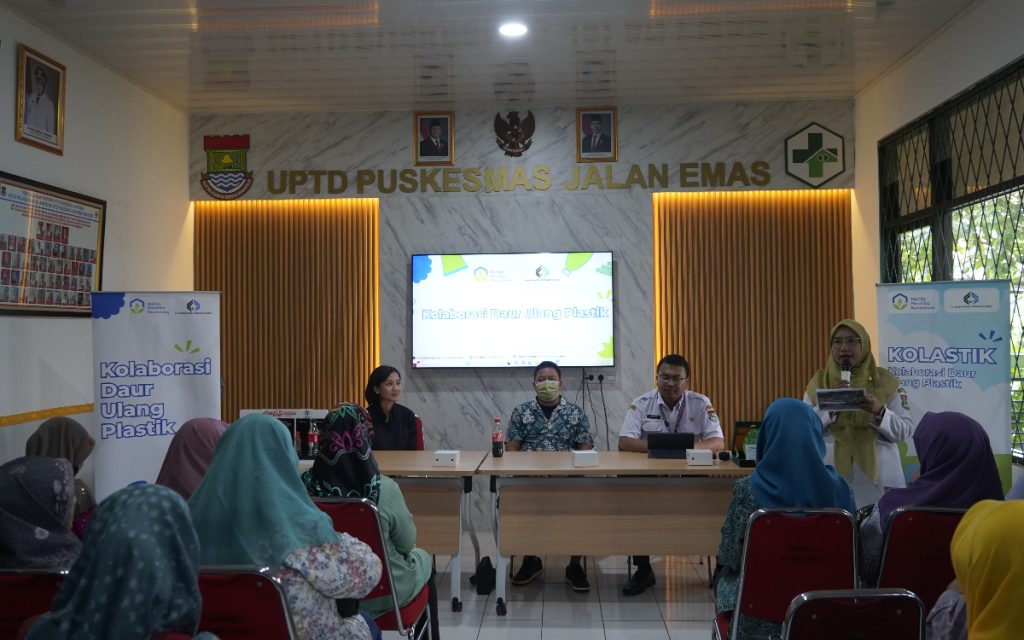
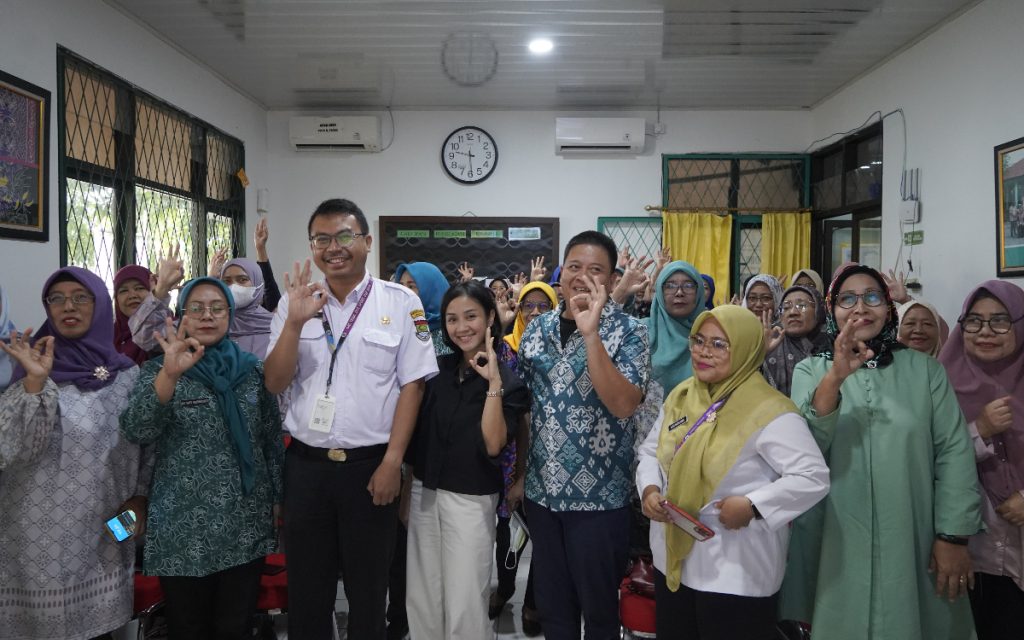
The KOLASTIK program outreach in Tangerang was conducted in two sessions. The first session took place at the Jalan Emas Community Health Center, while the second session was held at the Bumi Indah Housing Complex. Both events went smoothly and were met with great enthusiasm from the local community, particularly the women waste pickers, who listened to the presentation with rapt attention.
At the inaugural training session, Ardhina Zaiza, Chairperson of the Mahija Parahita Nusantara Foundation, was present to provide a basic introduction to the importance of adopting the habit of sorting and managing waste as part of daily life. This session was followed by a presentation from Muhammad Martin, Director of Berkah Mitra Perdana Sukses, who provided a practical explanation of the waste collection mechanism through the dropbox system.
The KOLASTIK program in Tangerang helps raise public awareness that protecting the environment can start with simple actions, such as properly disposing of and sorting waste. Through the use of two drop-off bins, residents are encouraged to understand the different types of plastic waste and the economic value that can be generated when recyclable waste is sorted correctly.
With this approach, it is hoped that the community will begin to play a vital role in the process of collecting plastic waste for recycling. This collection effort can start in people’s own homes or in their immediate neighborhoods, thereby helping to improve environmental cleanliness while also creating additional income opportunities from waste that has economic value.
Through collaboration with recycling partners, the collected PET bottles will be reprocessed by Amandina Bumi Nusantara and turned into new bottles. This process serves as a concrete example of the circular economy in action, starting at the community level.
Conclusion
KOLASTIK in Tangerang demonstrates that major change can begin with steps that are deeply rooted in people’s daily lives. Mahija has helped the community turn knowledge about PET bottle recycling into action. When knowledge, systems, and community spirit come together, more responsible waste management is no longer just a concept but a real movement that continues to grow.