The Mahija Parahita Nusantara Foundation has once again taken concrete action by launching a community-based healthy living support program known as Sahabat Sehat Mahija. This program represents Mahija’s solution to address the health and hygiene vulnerabilities faced by waste pickers.
Waste workers are an important part of the informal sector and play a major role in the waste recycling supply chain. Although their contribution is significant, the reality is that many waste pickers still face living conditions that are far from secure. They are also vulnerable to various health and hygiene issues, which often fall below standard.
This community, also known as CHW (Community Health Worker), is a program created by, for, and with the waste picker community, whose members are also committed to ensuring access to health services for waste workers.
Many waste pickers have limited awareness of health and hygiene issues while working. For example, they often use inadequate personal protective equipment when collecting trash, and pay little attention to their health due to limited literacy and access to information. These conditions are the main reason Mahija has created a space for the community to build collective awareness regarding the 3K standards : cleanliness, safety, and occupational health.
Here is more information about the Sahabat Sehat Mahija community.
What Is Mahija’s Health Buddy and What Is Its Role?
Mahija Health Friends are community health workers. Because they come from the same community, they understand the language, customs, and daily realities of the people there. This allows them to serve not only as information providers but also as a bridge of trust between the community and formal health services.
The role of Health Ambassadors goes beyond simply providing health education and promoting hygiene protocols. They also serve as the first line of defense in the early detection of various health issues that community members may face. This allows them to immediately refer individuals to formal healthcare services, such as clinics, community health centers, and emergency rooms. Through this approach, health issues can be addressed early on, preventing them from escalating into more serious conditions.
In addition, Sahabat Sehat is also part of the broader Mahija community network. They play a role in strengthening collaboration between programs and fostering sustainable healthy living support across communities. They serve not only as medical professionals but also as companions who remind, support, and help communities to take better care of their own health.
Organizer of the Incentive Training for Mahija Health Partners
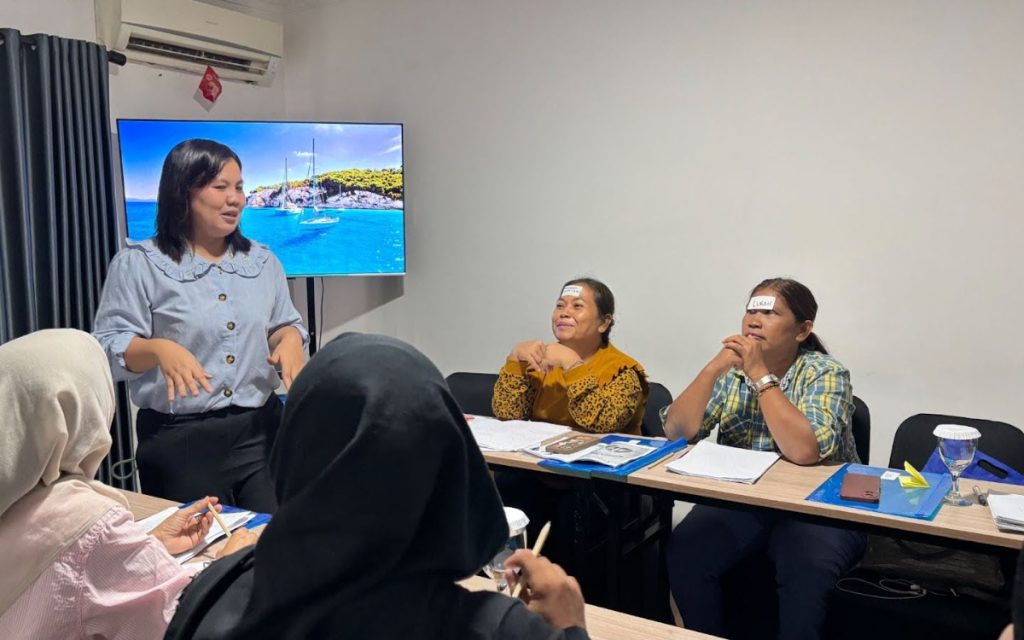
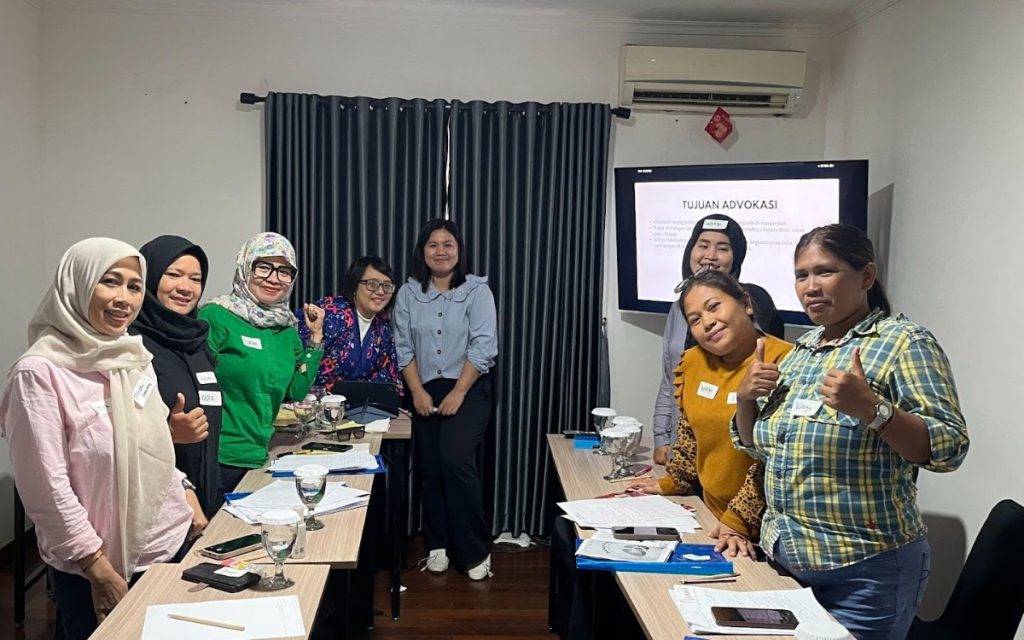
To fulfill this role, Mahija organized a two-week intensive training program for six Health Ambassadors from three areas: Duren Sawit, Jurang Mangu, and Tanah Tinggi. The training materials were specifically designed to address the real-life challenges faced by the waste-picking community. Participants learned about various health topics most commonly encountered in their communities.
Participants learned about various health topics most relevant to the waste pickers’ community, ranging from the dangers of smoking and its impact on families, to dengue fever prevention through the 3M+ practice, and the importance of regular prenatal care. They were also educated on balanced nutrition, stroke prevention, and how to access BPJS services, community health centers, and emergency assistance.
During the training, the material was presented in a simple and interactive manner to ensure it was easy to understand. Discussions and Q&A sessions were also key components of the training, enabling participants to gain a deeper understanding of health topics while preparing them to share that information with their communities.
After all training participants attended the joint presentation, they were then returned to their respective Mahija target areas to conduct outreach on healthy living among waste management communities. During this outreach, they provided training on health-related issues and held Q&A sessions to ensure the health materials were delivered in an inclusive manner, with a focus on fostering a sustainable commitment to clean living among all participants.
Each Health Ambassador is expected to reach approximately 30 to 60 community members. This target is not merely a numerical goal, but also reflects Mahija’s commitment to ensuring that more waste workers have the knowledge and awareness to maintain their own health and that of their families.
Mahija’s vision is to empower waste workers, who have long played a vital role in the recycled plastic supply chain. This role is also crucial to supporting the development of the circular economy in Indonesia. However, Mahija recognizes that empowerment is not solely about economic aspects.
Health is a top priority for the livelihoods of waste workers. Without good health, waste workers can fall ill, which can disrupt the plastic waste recycling supply chain.
Through Sahabat Sehat Mahija, Mahija aims to ensure that support for waste management workers, including waste pickers, goes beyond mere economic considerations and encompasses their overall quality of life.
Conclusion
The existence of Sahabat Sehat Mahija as a source of support for healthy living across communities is tangible proof that health issues can be addressed on a small scale—starting with those closest to us, through everyday conversations, mutual reminders, and the sense of care that grows within the community itself. Maintaining good health is not just about access to services, but about having a caring friend who is ready to walk alongside you.