
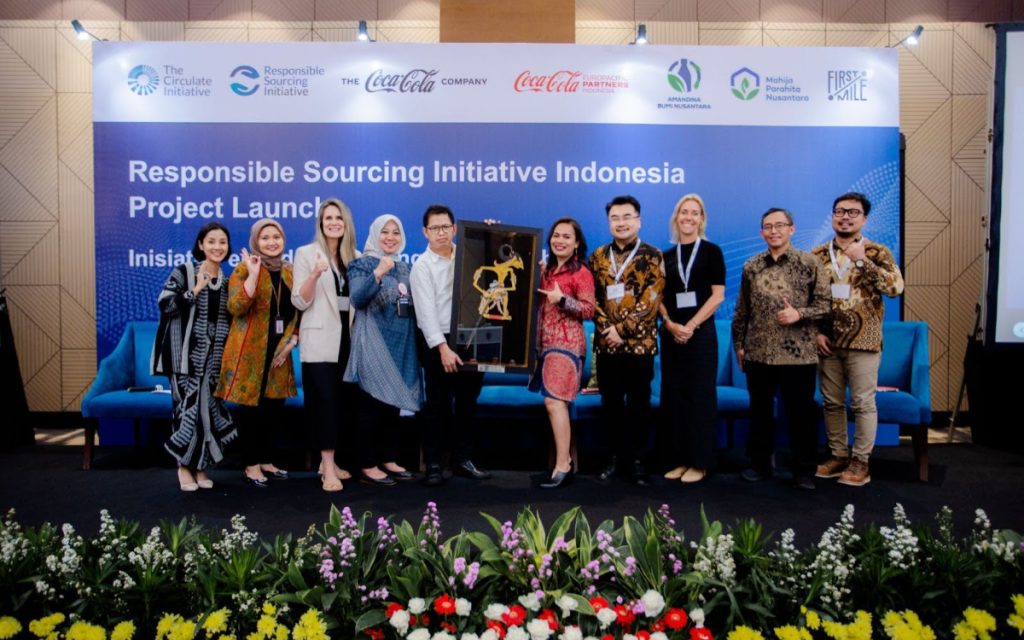
The Mahija Parahita Nusantara Foundation is an organization dedicated to empowering waste workers in Indonesia. Through its various programs, Mahija has a bold vision to support the empowerment and justice of waste pickers as a vital part of the recycling system. These efforts are carried out exclusively in partnership with Mahija toward a fair, inclusive, and sustainable circular economy, where waste workers are not only part of the waste management chain but also receive the recognition and protection they deserve.
With this goal in mind, Mahija has joined a global collaborative effort with The Circulate Initiative (TCI). This partnership is a crucial step toward strengthening collective efforts to build a more sustainable waste management system while ensuring that waste workers receive a fairer share of the benefits from the growing circular economy.
For Mahija, improving the well-being of waste workers and promoting social justice is a movement aimed at balancing national waste management goals with the transition toward a fair and inclusive circular economy. In the transition to a circular economy, waste workers play a crucial role as they are on the front lines of collecting and sorting recyclable waste. Therefore, Mahija places waste workers at the center of its various empowerment programs.
The waste management challenges in Indonesia and Mahija’s efforts to empower waste workers are the main focus of this article. This article will also discuss how the collaboration between Mahija and TCI has been a key step in promoting more inclusive waste recycling practices and contributing to the creation of a just circular economy.
The State of Waste in Indonesia and the Mahija Movement in Partnership with TCI
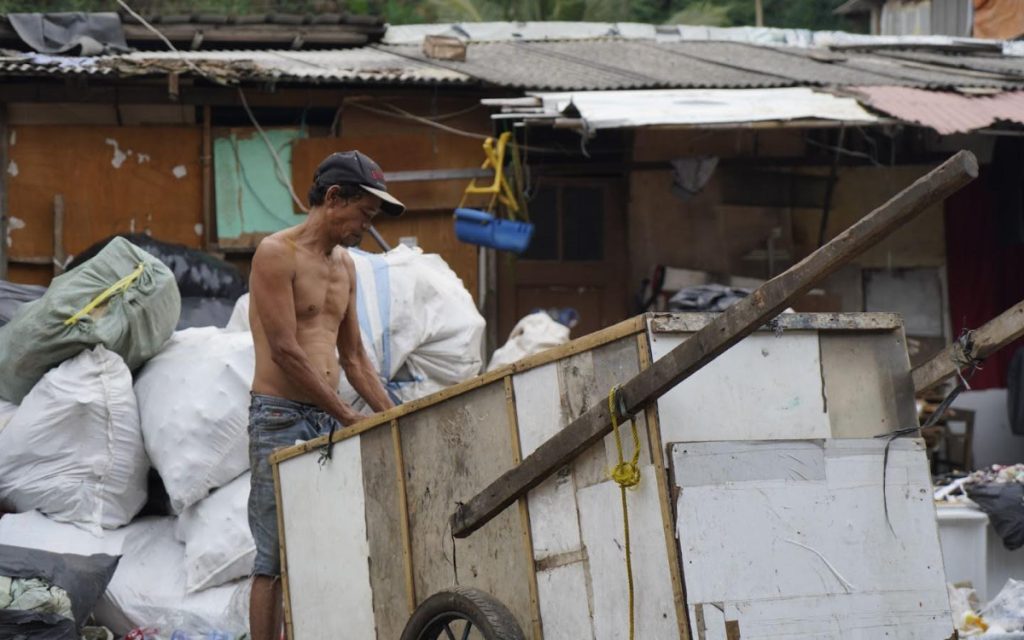
In fact, Indonesia faces a major challenge in managing plastic waste. As the world’s second-largest contributor to plastic pollution, Indonesia generates approximately 6.8 million tons of plastic waste each year, yet only 10% of it is successfully recycled. Behind this recycling chain, however, are waste workers—particularly waste pickers—who serve as the backbone of the national waste management system.
Despite playing a vital role, waste workers often work without adequate protection. They also continue to face various challenges, ranging from social stigma and limited access to healthcare and education to a lack of occupational safety standards. In fact, this informal sector accounts for the collection of up to 1 million tons of waste per year—a crucial contribution toward the government’s target of reducing waste generation by 30% and marine plastic waste by 70% by 2025.
In light of this situation, the Mahija Parahita Nusantara Foundation (Mahija) is working to implement various concrete programs to strengthen a more sustainable waste management system. However, the transition to a better system cannot be achieved by a single party alone. It requires cross-sectoral collaboration among the private sector, the government, and various other stakeholders who are concerned about environmental issues and waste management.
In line with Mahija’s commitment to the circular economy, in 2024 the company joined The Circular Initiative as part of a global movement . This collaboration marks a significant step toward fostering a more equitable, inclusive, and sustainable waste management system, while also strengthening the role of waste workers within the circular economy ecosystem.
So, how is the collaboration between Mahija and TCI being implemented to address cutting-edge waste recycling systems?
Mahija and TCI Partner to Promote the Circular Economy with Waste Workers
In 2024, Mahija partnered with The Circulate Initiative (TCI), a global nonprofit organization focused on combating plastic pollution and fostering a fair circular economy in developing countries.
This collaboration aims to implement the Responsible Sourcing Initiative (RSI) in Indonesia. The program is based on the Harmonized Responsible Sourcing Framework for Recycled Plastics, which is the first global framework designed to ensure that the procurement of recycled plastics is conducted fairly and responsibly.
The concept of responsible sourcing has become important because large companies are now required to ensure that the recycled plastic they use comes from fair practices. Through the RSI, companies have clear and practical guidelines to ensure that the procurement of recycled plastic also takes into account the well-being of recycling workers, including waste pickers. This includes labor protections, access to more decent wages, and more organized working systems.
The results of the initial assessment indicate that informal workers or waste pickers face a number of fundamental barriers that affect their well-being, including:
- Lack of worker representation and complaint channels
- Limited income and marginalized status
- Lack of price transparency due to a fragmented supply chain
- Weak health regulations
- Safety and workplace standards, as well as resource constraints and regulations that meet established standards.
To address these challenges, RSI Indonesia—in partnership with Mahija as the lead implementing agency — has taken a number of strategic steps, including:
- Establish collective representatives as worker representatives and grievance channels
- Open access to social security, income generation, and financial services
- Realizing price transparency and better working relationships
- Provide OHS training and implement safety standards
- Increase capacity for more responsible practices
Through these steps, the collaboration between Mahija and TCI is expected to have a tangible impact on waste workers—not only in terms of increased income, but also through broader access to education, health care, and more adequate social protection.
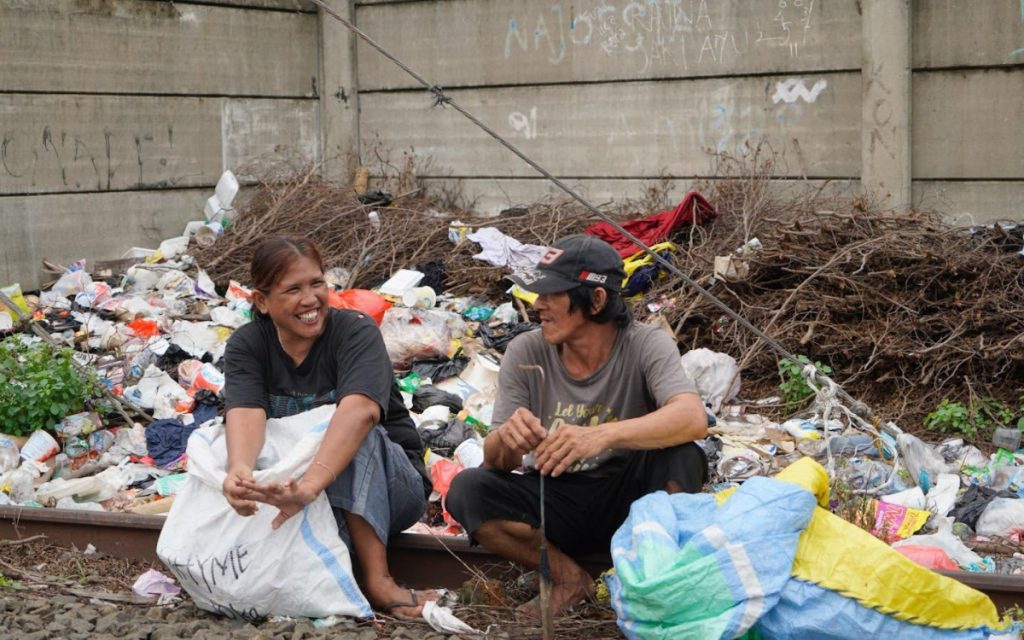
Mahija’s collective movement toward a circular economy demonstrates that sustainable economic development is not just about systems and technology, but also about the people within them. Waste pickers and sanitation workers are a vital part of the recycling ecosystem, ensuring that materials continue to circulate within the circular economy.
Conclusion
Recognizing waste pickers as human beings is a crucial step toward building a more equitable and sustainable waste management system. Through various empowerment programs and cross-sectoral collaborations, working alongside Mahija toward a fair and inclusive circular economy represents a concrete effort to ensure that the transition to a more sustainable economy goes hand in hand with improved well-being for waste workers.
By providing access to labor protections, education, healthcare, and better economic opportunities, it is hoped that Indonesia’s circular economy system will develop in a more inclusive, equitable, and sustainable manner for all stakeholders.