
Mahija's approach to empowering and improving the welfare of recycling workers rests on one important pillar: occupational health and safety. In their daily activities, recycling workers often work in poor environments, face the risk of exposure to various health problems and have limited access to health services and other basic protections.
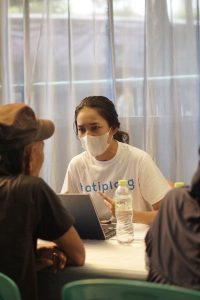
The health problems faced by recycling warriors are caused by erratic working hours, as well as the lack of hygiene and the use of personal protective equipment. For this reason, Mahija took the initiative to run a regular program called Semangat Sehat Mahija (SSM), which provides free health checks to recycling warriors.
In this program that has been running since 2022, waste workers at Collection Centers, Collection Partners and individuals participate enthusiastically. In 2024 alone, a total of 5,016 waste workers have participated in the program. waste workers have participated in physical health checks.
From the examination, Mahija found that the health problems experienced by the recycling warriors included hypertension, chronic headaches, and muscle pain. The examination was conducted by medical personnel from various health institutions, and the recycling warriors received medication and supplements to help alleviate their complaints.
However, the health check-up of the recycling warriors is not only for the physical, but also includes aspects of mental health. Through Mahija's regular interactions with recycling warriors in various programs, it is revealed that in addition to meeting economic needs and the uncertainty of daily income, family and household problems often weigh on the mind which affects their mental state.
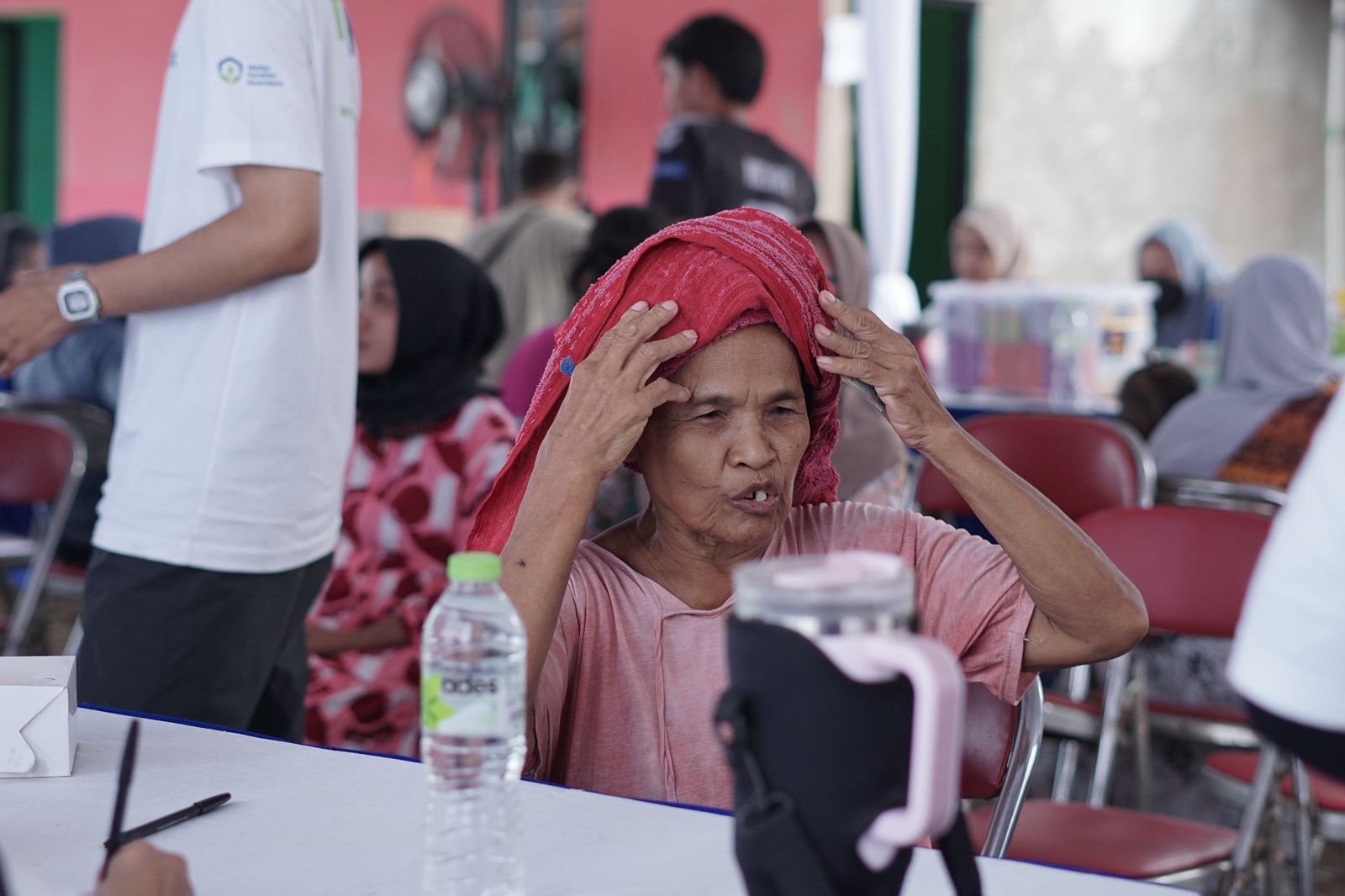
This is in line with various research and data published over the past decade. Results show a strong correlation between economic stress and mental health problems, with financial uncertainty and job instability identified as key contributing factors. For example, according to a World Bank report (2023), more than 50% of workers in low- and middle-income countries are in unstable employment conditions, which is strongly correlated with high levels of economic stress and mental health problems.
Therefore, in an effort to help the recycling warriors, Mahija collaborated with one of the mental health service providers to conduct screening and counseling. From February to August of 2024, Mahija conducted mental health screening for 3,820 recycling warriors in 11 SSM locations which include: Kelapa Gading, Jatinegara, Pesanggrahan, Tigaraksa, Cengkareng, Bantar Gebang, Legok, Bandengan, Parigi, and Sunter.
Based on the screening results, it was found that the problem of depression was the most commonly experienced condition, followed by symptoms of anxiety and psychological distress. As a follow-up, Mahija provided a referral for the recycling workers to attend counseling with a psychologist to help ease their mental burden.
Of the total participants, 8% were referred to a psychologist for counseling sessions. At that time, 368 recycling workers attended the counseling sessions counseling sessions according to the predetermined schedule in an open and interactive manner. It is hoped that the physical and mental health check-ups will be a significant support to their productivity and enthusiasm at work.
Coinciding with the commemoration of World Mental Health Day, which falls every October 10, Mahija emphasized its commitment to continue supporting the health care of recycling warriors, as part of efforts to improve the welfare of waste workers in the recycling supply chain.