
Mahija comes with the vision of realizing a responsible and sustainable circular economy, with empowered and prosperous waste workers.
For Mahija, improving the welfare of waste pickers is not just a social justice issue, but a strategic step to strengthen national waste management. A good circular economy can only be realized if its people, those who work at the forefront of recycling, are also protected and empowered.
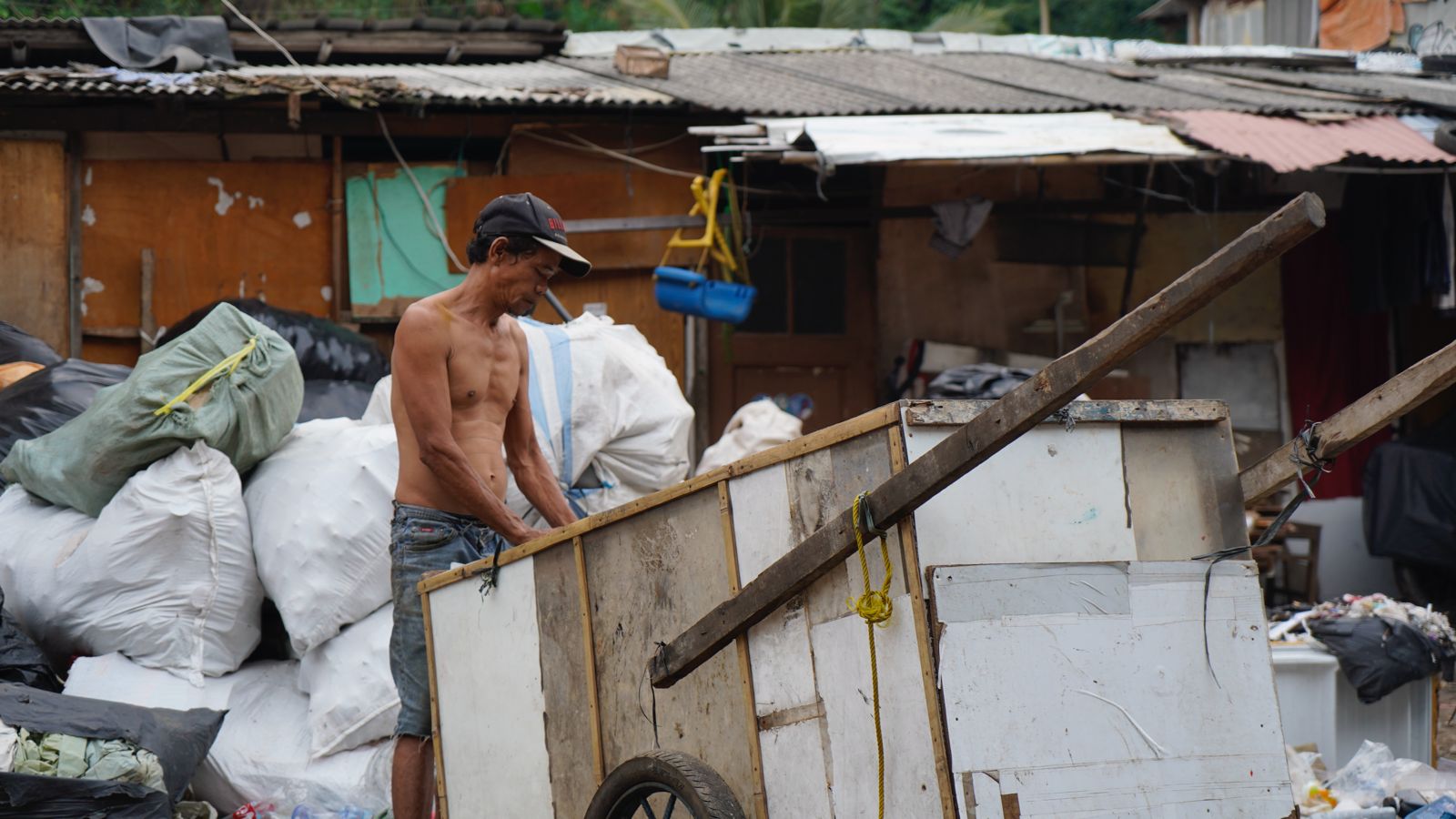
In fact, Indonesia faces a major challenge in plastic waste management. As the second largest contributor to plastic pollution in the world, Indonesia generates around 6.8 million tons of plastic waste every yearbut only 10% is successfully recycled. In fact, behind this recycling chain, there are waste workers, especially scavengers, who are the backbone of the national waste management system.
In reality, they often work without protection, face social stigma, lack access to health, education, and work safety standards. Yet, the informal sector contributes to the collection of up to 1 million tons of waste per year.a crucial contribution to the government's target of reducing 30% of waste generation and 70% of plastic marine debris by 2025.
Mahija works from the community to the policy level, ensuring real change on the ground and in the wider system. To that end, we also work with various agencies to open up spaces for meaningful collaboration with various parties, ranging from the private sector, civil society organizations, governments, to individuals who want to get involved.
One of them in 2024, Mahija collaborated with The Circulate Initiative (TCI)a global non-profit organization focused on alleviating plastic pollution and building equitable circular economies in developing countries.
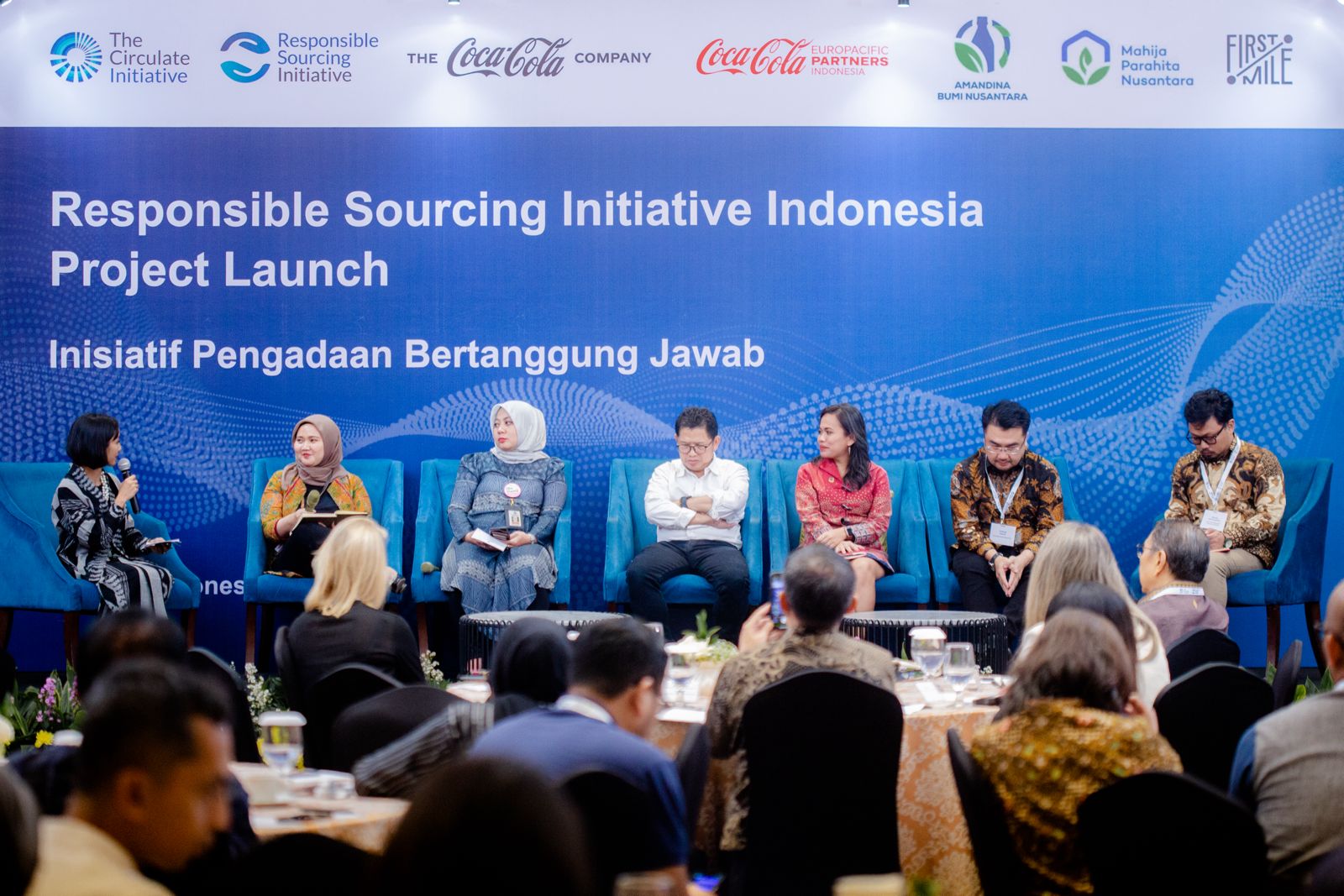
This collaboration was undertaken to implement Responsible Sourcing Initiative (RSI) which is based on the Harmonized Responsible Sourcing Framework for Recycled Plasticsthe first global framework to ensure fair and responsible sourcing practices for recycled plastics.
Responsible sourcing is important because large companies are now required to ensure the recycled plastic they use comes from fair practices. RSI comes with clear and practical guidelines that can be adopted, while ensuring recycling workers, including waste pickers, are protected, paid decent wages, and are in a more organized system.
The initial assessment shows that informal workers face a number of fundamental barriers that hinder their well-being. These range from lack of worker representation and grievance channels, limited income and marginalized positions, lack of price transparency due to fragmented supply chains, weak health, safety and work standards regulations, to limited resources and standard work rules.
To answer this challenge, RSI Indonesia with Mahija as the main executor has taken several important steps, including:
- Establish collective representatives as worker representatives and grievance channels
- Open access to social security, income generation, and financial services
- Realizing price transparency and better working relationships
- Provide OHS training and implement safety standards
- Increase capacity for more responsible practices
This collaboration is an important step in the long journey towards a truly inclusive circular economy. Waste pickers can better understand their rights as well as get proper social, health and education facilities. Because, a good circular economy must start with the people.
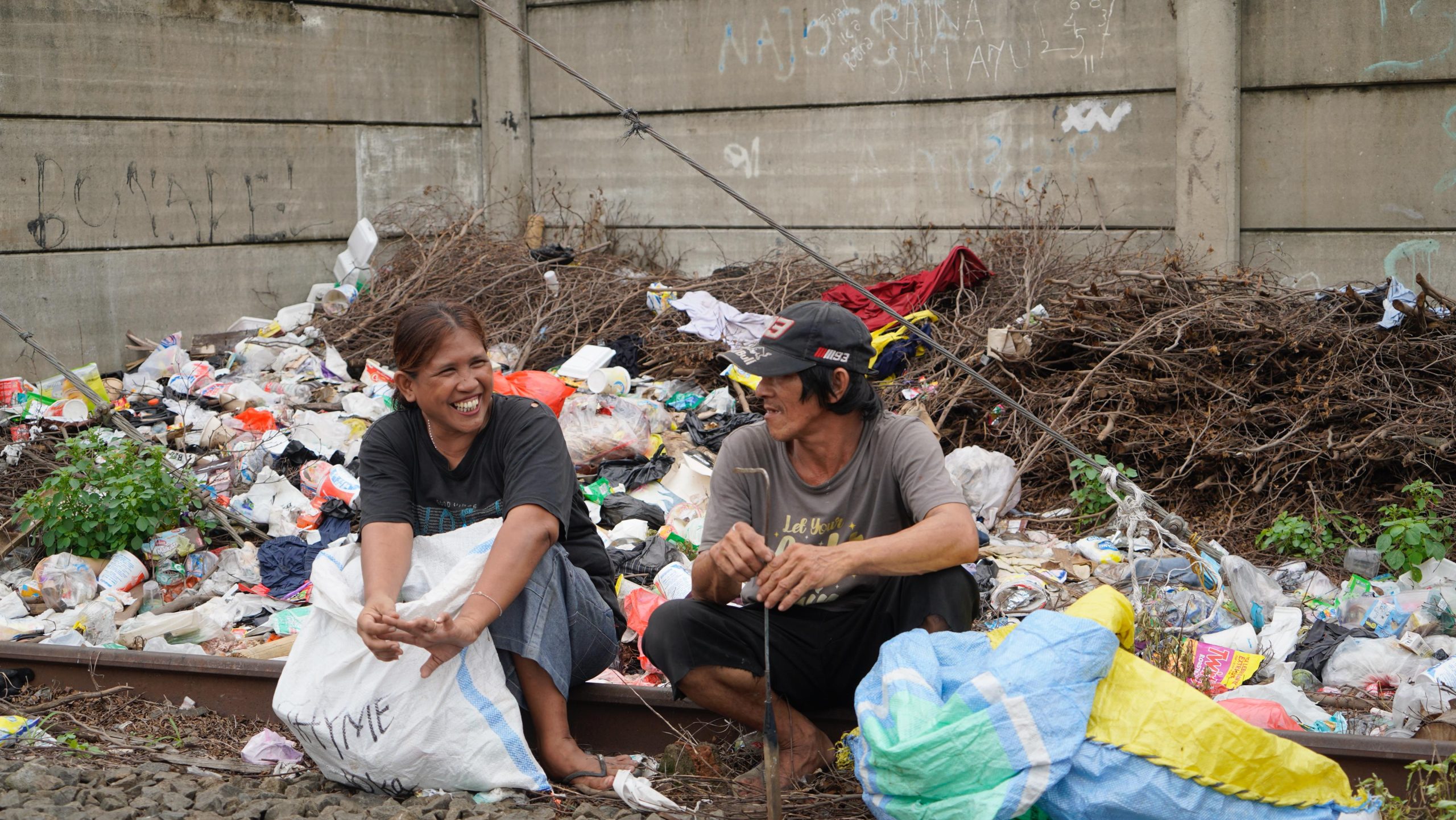
By making waste workers and waste pickers the subject of change, not just the object, Mahija wants to prove that social justice and environmental sustainability can go hand in hand.